
About The Last Programmers
A documentary of the last generation to write code by hand. Started March 1, 2026.
The Moment It Became Real
The Generations Before Us
We stand on the shoulders of every generation that came before. Each one changed what "programmer" meant.
Scientists and mathematicians who spoke to room-sized machines through punch cards and assembly language. They invented the foundation everything else stands on.
Kids who discovered BASIC on Apple IIs and Commodores. They coded in bedrooms and garages, driven by curiosity, not careers. They proved anyone could program.
The dot-com wave. Java, PHP, JavaScript. They put code online and changed how the world communicates, shops, and connects. Programming became a real career.
React, Cloud, bootcamps. "Learn to code" became a cultural movement. Programming went from niche skill to the most sought-after career in the world.
Copilot, ChatGPT, Claude. Programmers started coding through conversation. The line between writing code and directing AI began to blur.
Describe what you want. AI builds, tests, and deploys it. The act of typing code by hand starts to feel like handwriting letters in the age of email. The programmer becomes the architect. The keyboard becomes optional.
What We Document
The Shift
How AI is changing what it means to be a programmer — observed in real time, not theorized from a distance.
The Navigation
What still matters, what's becoming obsolete, and what new skills are emerging at the intersection of human and AI.
The Stories
Real experiences from real programmers navigating this transition — the struggles, breakthroughs, and quiet moments of adaptation.
The Community
A space for the last generation to connect, share, and figure out what comes next — together.
Where We Record
This documentary lives across platforms — wherever programmers are, we're there.
This Website
The Chronicle, Timeline, and Signal — the central archive of everything we document.
YouTube
Long-form video essays, interviews with programmers navigating the shift, and deep dives into the AI era.
X (Twitter)
Real-time observations, breaking news commentary, and conversations with the community.
Xiaohongshu
Visual stories, career reflections, and AI coding tool reviews for the Chinese developer community.
Meet the Chronicler
Every documentary needs someone holding the camera.
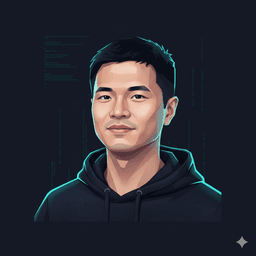
Drew
Chronicler · 20-Year Programmer